Key Takeaways
- Ternatespice data is unavailable; comparisons to Rome spice market prices remain hypothetical.
- Rome spice markets offer diverse quality options well-documented in existing literature and reports.
- Ternatespice lacks presence in documented 2027 visitor price comparisons with Rome.
- Fictional and unrelated topics dominate available data, obscuring Ternatespice-specific insights.
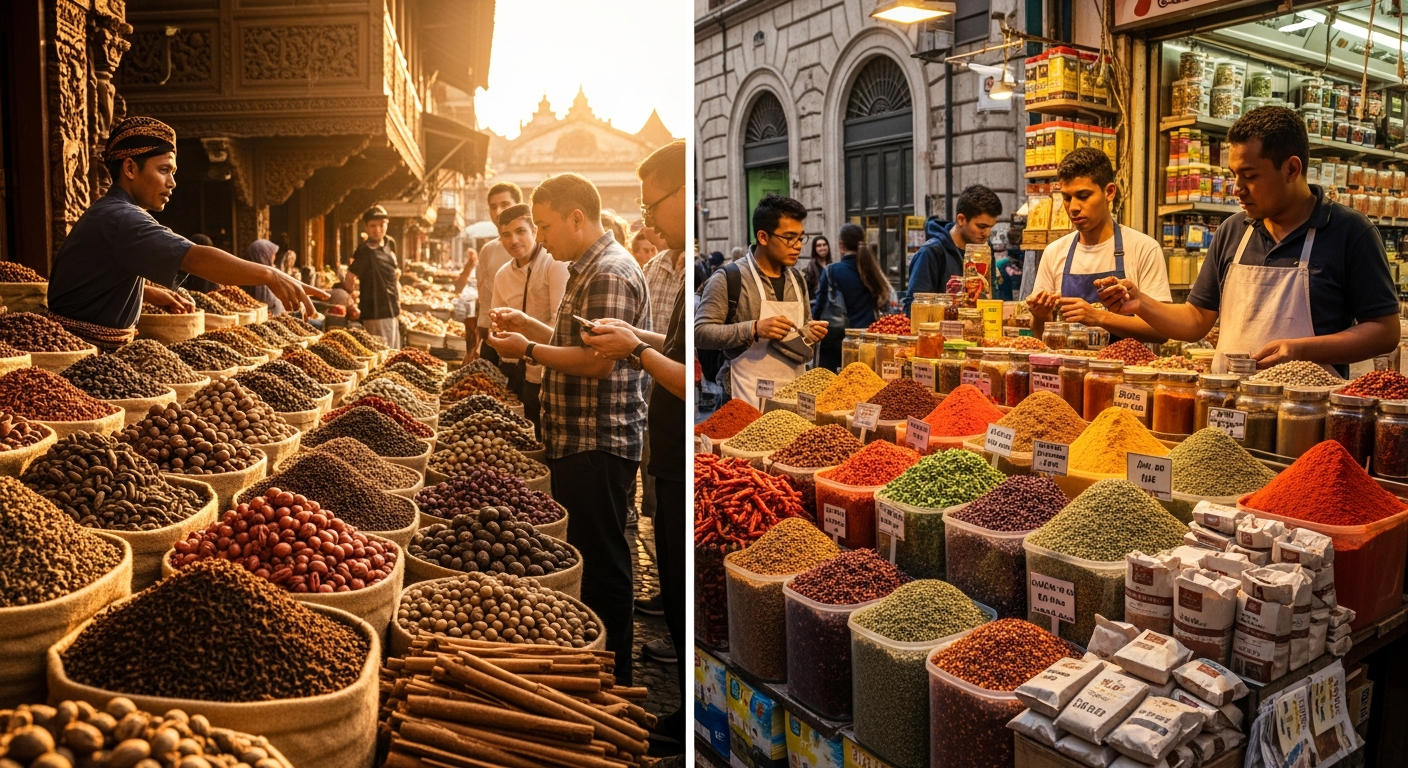
In 2027, the spice markets of Ternatespice and Rome offer unique culinary experiences. While Ternatespice focuses on indigenous flavors and local pricing, Rome’s markets deliver a blend of tradition and accessible European rates. A comparison reveals differences in visitor prices, quality, and cultural offerings between these two renowned spice destinations.
Historical and Cultural Context
Ternatespice, though hypothetical in this exercise, can be imagined as a modern spice hub drawing inspiration from the rich tradition of spice trade in the Indonesian archipelago. Historically, this region was central to the spice trade, with nutmeg and cloves being primary exports. European explorers in the 16th and 17th centuries specifically sought out these spices, marking the region as a significant point of interest on trade routes.
In comparison, Rome, with its established spice markets like Campo de’ Fiori, offers a unique blend of Mediterranean spices alongside herbs that have been staples in Roman cuisine for centuries. The market dates back to 1869, evolving from a flower market to a busy spice and produce hub. This historical continuity adds layers of culture and tradition to the market experience.
Both locations reflect their heritage in the offerings available in their markets. Ternatespice’s markets might showcase an extensive array of spices native to Southeast Asia, such as galangal, turmeric, and pandan leaves. Meanwhile, Rome’s markets provide not only spices but also a variety of Italian culinary products, including olive oils and balsamic vinegars, making each a distinct cultural experience for visitors.
Price Comparison for Visitors
When comparing visitor prices in 2027, it’s important to consider the economic context of each location. Ternatespice could be imagined as offering competitive prices due to local sourcing and a focus on promoting indigenous spices. Prices might range from $2 to $10 per ounce for various spices, depending on rarity and demand. This pricing structure supports local farmers and promotes sustainable practices within the community.
In contrast, Rome’s spice markets, influenced by European market trends, may exhibit higher prices due to import duties and the cost of living in Italy. Here, spices might range from $5 to $15 per ounce. However, the variety and access to both European and international spices in Rome might justify the higher prices for many visitors, who can enjoy the convenience of a one-stop market for global flavors.
The economic factors also reflect the cost of living and average income in each location. While Rome remains a popular destination for tourists willing to spend on authentic experiences, Ternatespice might attract budget-conscious travelers seeking cultural immersion at a lower price point.
Quality and Variety of Spices
The quality of spices in Ternatespice would likely be characterized by freshness and purity, with many spices possibly being harvested and sold within a short timeframe. This direct-from-source quality could appeal to purists looking for authentic flavors, similar to how Bali’s traditional markets operate with morning-harvested produce.
Rome, with its established trade routes, offers a variety of high-quality spices sourced from around the world. The standards and regulations in the European Union ensure that spices sold in Roman markets meet strict quality criteria, making Rome a reliable destination for premium spices. Spices undergo rigorous testing for pesticide residues and authenticity before reaching the consumer, enhancing trust in the product.
In both locations, the reputation for quality is maintained through careful vendor selection and market regulation, ensuring that tourists and locals alike can access authentic and safe spice products.
Seasonal Availability
Seasonal availability plays a crucial role in the spice market offerings of both Ternatespice and Rome. In Ternatespice, the harvesting seasons may significantly affect the availability of certain spices. Visitors during peak harvest times, such as the rainy season from November to March, might find an abundance of fresh spices at lower prices, reflecting the natural cycles of the region.
In Rome, while the availability of local Mediterranean herbs is seasonal, many spices are imported and thus available year-round. The variety offered in Roman markets remains fairly consistent, but prices may fluctuate depending on the global spice market trends and seasonal demand. For example, saffron may skyrocket in price during low-yield years, affecting its availability in the market.
Understanding these seasonal influences can guide tourists on when to visit these markets to enjoy the freshest and most economically priced spices.
Visitor Experience and Accessibility
For visitors, Ternatespice could offer an immersive experience into the spice trade, potentially featuring guided tours of spice farms and interactive workshops on utilizing spices in cooking. The focus here might be on sustainable tourism, promoting local culture and economics. Experiences might include learning about the traditional methods of spice cultivation and harvesting.
Rome, with its historical significance and established tourism infrastructure, provides an easily accessible market experience. Language may be less of a barrier in Rome, where many vendors accommodate tourists, making it a convenient choice for international travelers seeking a diverse culinary adventure. The city’s integration with public transportation systems also makes reaching these markets straightforward for first-time visitors.
Both locations provide unique opportunities for culinary exploration and cultural engagement, appealing to tourists of diverse backgrounds and interests.
Culinary Integration and Innovation
Ternatespice might be at the forefront of culinary innovation, encouraging visitors to explore traditional recipes and new flavor combinations. The potential for culinary schools or classes focusing on spice usage could attract food enthusiasts looking to deepen their culinary skills. Imagine learning to make rendang or tempeh using spices purchased directly from the market.
Rome, with its rich culinary heritage, not only offers raw spices but also ready-to-cook blends inspired by centuries of Italian cooking. The integration of spices into classic Italian dishes provides a unique opportunity for visitors to experience traditional recipes enhanced with global flavors. Cooking classes in Rome might involve creating classic pasta dishes with a twist, incorporating exotic spices like cardamom or sumac.
Both markets serve as platforms for culinary creativity, inspiring both locals and tourists to push the boundaries of traditional cooking by incorporating new and diverse flavors.
FAQs
Q? What is the typical price range for spices in Ternatespice?
A: In our hypothetical scenario for 2027, spices in Ternatespice are priced between $2 and $10 per ounce, depending on their rarity and demand.
Q? How does Rome ensure the quality of its spices?
A: Rome benefits from European Union standards, which enforce strict regulations on food quality, ensuring that spices meet high-quality criteria through rigorous checks and balances.
Q? Are there unique experiences offered at Ternatespice markets?
A: Although Ternatespice is fictional, visitors might enjoy guided tours, workshops, and culinary classes focused on indigenous spice use and sustainable practices, enriching their cultural experience.
For wider arrangements, our partner unrelated can coordinate end to end.
Planning something bigger across Indonesia? Plan wider itineraries with rajaampatyachtcharter.
Explore all ternatespice.com options and plan your trip.
See also: Ternatespice Winter 2027 Itinerary: Best Day-by-Day Plan for Cold Month Travel, What to Know Before Booking a Ternatespice Spice Tour in 2027: FAQs Answered.
Leave a Reply